Infuse Authenticity with the Baked Toast Typeface
In an era dominated by sleek, corporate aesthetics, there is a growing hunger for design that feels genuinely human. We see it in the resurgence of textured paper, the rise of artisanal branding, and the rejection of sterile, cookie-cutter layouts. If you are a designer, entrepreneur, or content creator looking to bridge the gap between professional polish and approachable warmth, your typography choices are critical. Enter Baked Toast, a premium font that captures the essence of a hand-drawn script without sacrificing the versatility required for modern design assets.
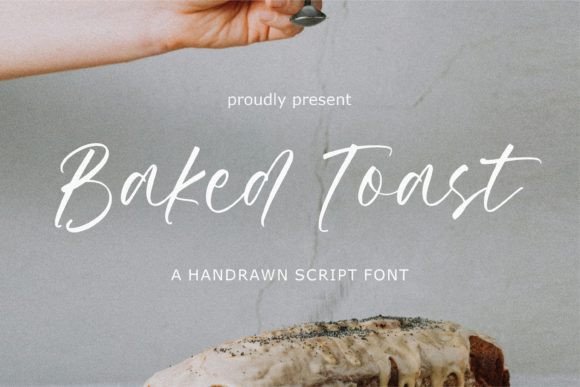
At its core, Baked Toast is a handwritten font that avoids the common pitfalls of its category. Many script typefaces can look either too juvenile or too formal, but Baked Toast strikes a unique balance. It feels "baked" with care—hence the name—offering an organic, textured aesthetic that mimics the natural imperfections of pen on paper. It isn't just a typeface; it is a tool for storytelling. Whether you are working on a logo design for a local bakery, crafting social media graphics for a lifestyle brand, or designing packaging design for a new product, this font injects personality immediately.
The Visual Character: More Than Just a Script Font
When evaluating a script font, the devil is in the details. Baked Toast is characterized by its fluid, bouncy baseline and varying stroke widths. It doesn't look like it was generated by a computer algorithm; it looks like it was written by a skilled hand with a quality marker. This modern typography choice features slightly condensed letterforms, which makes it surprisingly legible even at smaller sizes—a rarity in the world of display fonts.
The visual appeal of Baked Toast lies in its versatility. It functions beautifully as a display font for headers, where its full character can be appreciated, but it also holds up well in short paragraphs for editorial design. The texture within the font adds depth to flat designs, creating an instant "lived-in" feel. For those building a brand identity, this font suggests a brand that is confident yet accessible, creative yet reliable.
Strategic Applications: From Branding to Web Design
Understanding where to deploy a creative font like Baked Toast is half the battle. It is not a serif font for long-form reading, nor is it a rigid sans serif font for technical manuals. Instead, it thrives in environments where emotion and connection are the primary goals.
Brand Identity and Entrepreneurship
For entrepreneurs and small business owners, brand identity is everything. You need a visual language that speaks to your audience before they even read your tagline. Baked Toast is an excellent choice for brands in the lifestyle, wellness, food, and creative sectors. Imagine this typeface on a coffee shop menu, a boutique clothing tag, or a coaching business card. It communicates that your brand values authenticity and personal touch. When used in logo design, it creates a signature look that is difficult to replicate, helping with brand recognition.
Digital and Print Collateral
The versatility of Baked Toast extends to web design and print. On the web, it serves as a striking hero font for landing pages, drawing the eye to key value propositions. In social media graphics, where scroll-stopping power is paramount, the handwritten style of Baked Toast feels native to the platform—personal and direct. It pairs exceptionally well with clean sans serif fonts for body text, creating a high-contrast visual hierarchy that guides the reader's eye naturally.
For those involved in packaging design or editorial design, the font adds a layer of tactile quality. It mimics the look of hand-lettered labels or handwritten notes in a magazine spread, fostering a sense of intimacy with the reader or consumer.
Mastering the Pairing and Hierarchy
A common mistake with premium fonts is isolation. To get the most out of Baked Toast, you must master the art of font pairing. Because Baked Toast has such a strong personality, it requires a grounding partner. Think of it as the "spice" in your typographic recipe.
- Pairing with Sans Serifs: Combine Baked Toast with a geometric sans serif (like Montserrat or Lato) for a modern, clean look. The sharp edges of the sans serif will highlight the organic curves of the script.
- Pairing with Serifs: For a more vintage or romantic vibe, pair it with a transitional serif (like Garamond or Merriweather). This works well for editorial design or wedding invitations.
- Visual Hierarchy: Use Baked Toast for headlines, pull quotes, or call-to-action buttons. Use your secondary font for the body copy. This ensures readability while maintaining the emotional impact of the script.
Practical Considerations for Implementation
Before integrating Baked Toast into your workflow, it is vital to review the technical aspects of the design assets. As a commercial font, it typically comes with specific licensing options. Always verify if the license covers your intended use—whether it is for a single user, a team, or for web design embedding via CSS.
When testing the font, pay close attention to readability. While Baked Toast is designed for clarity, handwritten fonts can become difficult to read if the tracking (letter spacing) is too tight or if the font size is too small. A good rule of thumb is to never use a script font smaller than 16px for web or 10pt for print body text. However, for headers and logos, feel free to go big and bold.
Finally, look at the included styles. Many premium fonts include alternates, ligatures, and swashes. These features allow you to customize the letterforms so that two instances of the same letter don't look identical, enhancing the natural, handwritten effect. Experimenting with these OpenType features will elevate your design from "using a font" to "custom typography."
Ultimately, Baked Toast is more than just a creative font; it is a design solution for anyone looking to humanize their digital or print presence. By leveraging its organic warmth and pairing it intelligently with complementary typefaces, you can create professional, engaging, and memorable designs that resonate with your audience.